If you want a big-screen tablet mainly for movies, prioritize three things: a panel that stays bright in real rooms, verified HDR playback in your streaming apps, and true stereo speakers that don't distort at higher volume. Then confirm Widevine/DRM level, codec support, and battery stability for long sessions-these decide real Netflix/Disney+ quality more than raw specs.
Quick verdict and purchase triggers
- Choose 12-13 inch only if you watch at home or on a desk; 11-12 inch is usually the sweet spot for travel and couch viewing (relevant for "แท็บเล็ตดูหนัง 11 นิ้ว 12 นิ้ว ราคา").
- For "แท็บเล็ตจอสว่างสูง ดู Netflix Disney+", prioritize sustained brightness behavior (not just peak claims) and good anti-reflective glass/lamination.
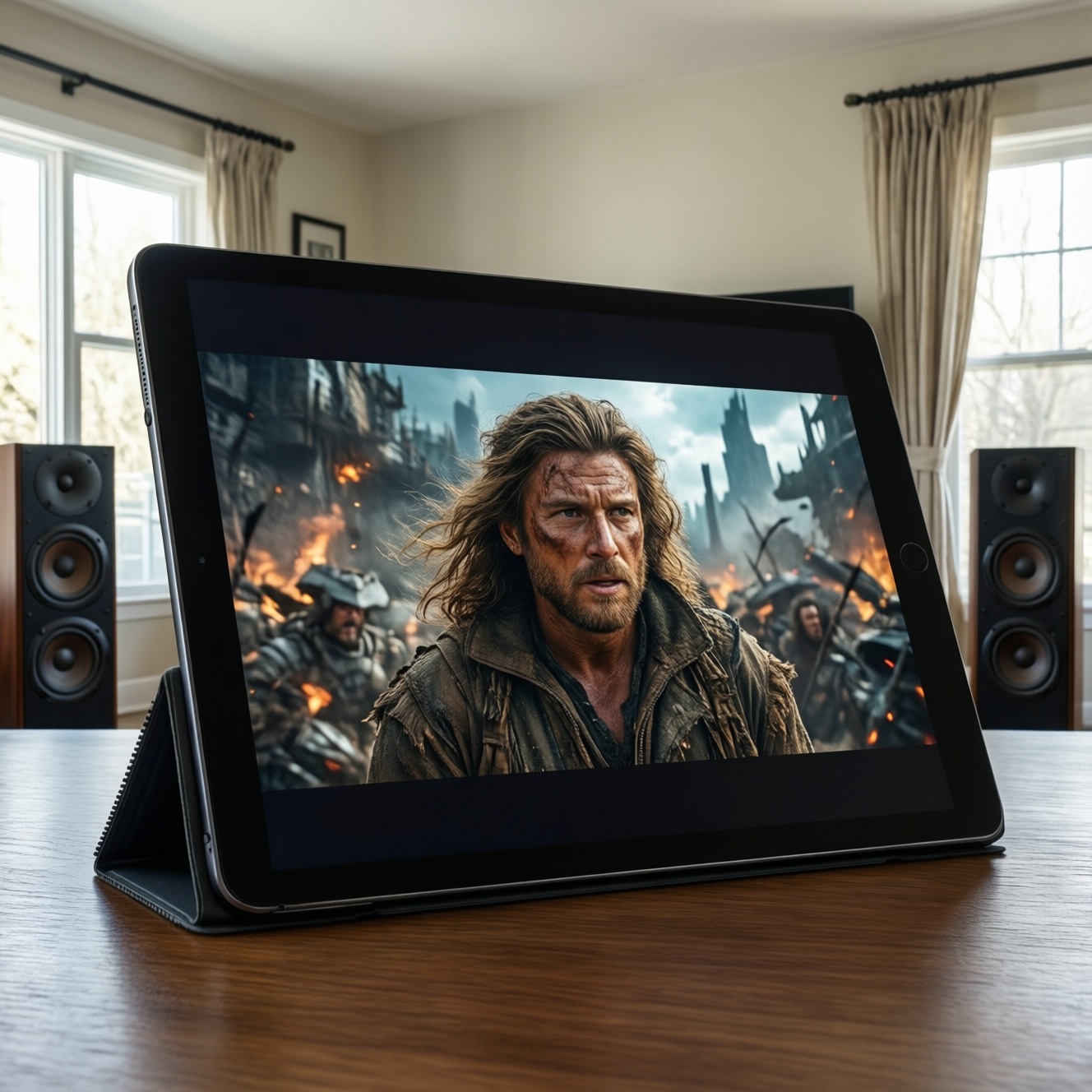
- "ซื้อแท็บเล็ตจอใหญ่ ลำโพงดี" typically means four-speaker layouts with good tuning; avoid thin dual-speaker designs if you watch without headphones.
- For "แท็บเล็ตจอใหญ่ รองรับ HDR ราคาดี", confirm HDR works inside your target apps (Netflix/Disney+/Prime), not only in local video players.
- When asking "แท็บเล็ตจอใหญ่ดูหนัง รุ่นไหนดี", shortlist by your use case first (solo, group, travel, home-theater) and only then compare chip/RAM.
Screen performance: size, brightness and HDR handling
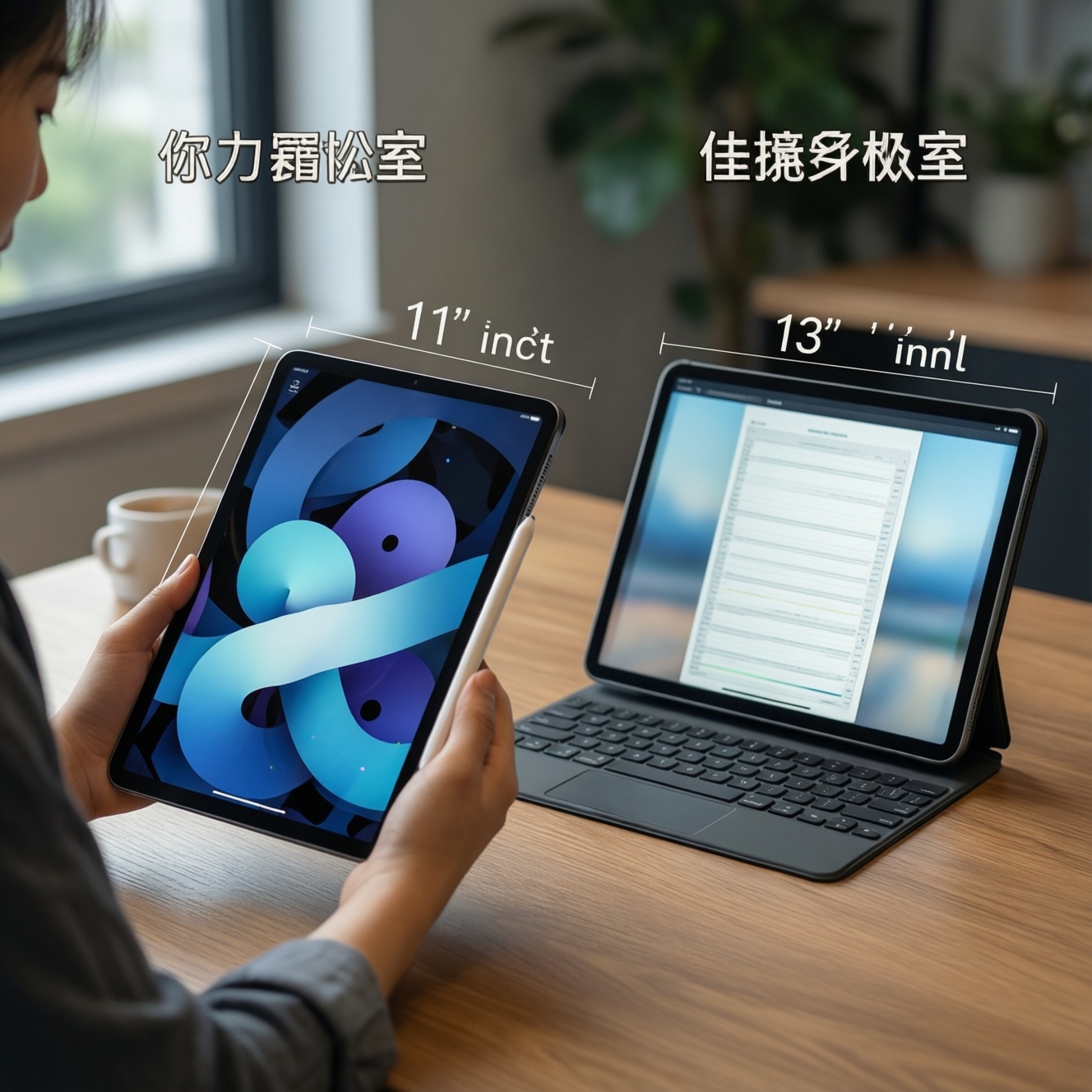
- Size vs viewing distance: 11-12 inch works for handheld/couch; 12-13 inch is better for desk/stand use and shared viewing.
- Panel type trade-offs: OLED gives deeper blacks for dark-room movies; IPS/LCD often looks more consistent at varied brightness and can be easier on PWM-sensitive eyes (model-dependent).
- Sustained brightness behavior: Look for reviews mentioning whether brightness drops after several minutes (thermal/power limits). Peak numbers alone don't guarantee real usability.
- Anti-reflection and lamination: Fully laminated panels with decent coating stay readable in bright rooms even without extreme brightness.
- Color handling: Wide-gamut support matters for HDR-like content; also check if the device has a "cinema" or "creator" profile that doesn't oversaturate skin tones.
- HDR reality check: Verify the tablet can actually play HDR streams in your apps. Some models claim HDR but fall back to SDR due to DRM/app limitations.
- Resolution vs scaling: Past a certain point, sharpness differences are subtle for video; prioritize panel quality, brightness stability, and HDR compatibility over chasing higher resolution.
- Refresh rate impact: High refresh rate helps UI smoothness, but movies are typically 24/30 fps; don't pay extra for refresh rate if your goal is pure streaming.
Audio evaluation: speaker layout, codecs and loudness
| Option | Who it fits | Pros | Cons | When to choose |
|---|---|---|---|---|
| 11-inch midrange LCD with dual speakers | Solo viewing, earbuds users, budget-focused | Usually lighter; good enough for dialogue at moderate volume | Easy to cover a speaker in landscape; limited bass; can distort when pushed | If you mostly use headphones and want value "แท็บเล็ตดูหนัง 11 นิ้ว 12 นิ้ว ราคา" without chasing premium audio |
| 11-12 inch with quad speakers (balanced tuning) | Most people watching YouTube/Netflix on the couch | Better stereo separation; clearer dialogue; less harshness at higher volume | Still won't replace a small soundbar; tuning varies by brand | If your priority is "ซื้อแท็บเล็ตจอใหญ่ ลำโพงดี" without going to the heaviest class |
| 12-13 inch "home viewing" class with quad speakers | Group watching, family use, tabletop viewing | Wider soundstage; louder without strain; more room for speaker chambers | Less portable; needs a stand case to shine | If you often watch with others and want louder, cleaner sound in open rooms |
| OLED-focused tablet (any size) + tuned speakers | Night movie sessions, dark-room film lovers | Perceived "cinema" feel from contrast; audio often tuned for clarity | Not all OLED models have strong speakers; check reports of PWM/eye comfort (user-specific) | If black levels matter most and you watch a lot at night |
| Tablet optimized for headphones (BT codecs/ecosystem) | Commuters, travel, shared spaces | Best experience with ANC headphones; fewer concerns about speaker limitations | Speakers may be average; codec support depends on brand and earbuds | If you rarely use speakers and want consistent quality on the go |
| Gaming-leaning big tablet (loud speakers, high performance) | Movies + games on one device | Strong sustained performance; often louder speakers; better cooling | Can be heavier; battery impact under performance modes | If you want one tablet for streaming and heavier workloads |
- Speaker layout to look for: Quad speakers placed symmetrically for landscape viewing reduce "one-side audio" when you hold it.
- Codec expectations: For streaming apps, focus more on consistent app playback and stable Bluetooth than on exotic codec marketing. Your headphone ecosystem matters most.
- Loudness vs clarity: The best movie tablet audio keeps dialogue clear at mid-high volume without sharpness; avoid models known for "tinny" tuning.
Streaming performance: app support, DRM and buffering
- If Netflix/Disney+ quality is your top goal, then confirm Widevine/DRM level and that the apps actually enable HD/HDR on that model/region (important for "แท็บเล็ตจอสว่างสูง ดู Netflix Disney+").
- If you care about HDR badges, then check whether HDR works in your exact services (Netflix, Disney+, Prime Video, YouTube) and not only in local video playback (key for "แท็บเล็ตจอใหญ่ รองรับ HDR ราคาดี").
- If you often watch on Wi‑Fi in condos/hotels, then prioritize stable Wi‑Fi radios and good antenna design; mid-tier chips can buffer less than expected if Wi‑Fi is weak.
- If you download episodes for travel, then check storage speed/space and whether your app supports offline downloads at the quality you want; consider a higher-capacity variant over minor CPU upgrades.
- If you cast to a TV/projector, then verify compatibility with your ecosystem (Chromecast/Miracast/AirPlay-like solutions) and whether DRM blocks casting for some services.
Ergonomics and portability: weight, bezels and standability
- Pick your main posture: handheld in bed, couch with two hands, or tabletop with a stand. This decides whether 12-13 inch is practical.
- Check landscape grip: Ensure bezels are wide enough to hold without accidental touches, especially for 11-12 inch models.
- Plan for a stand case: For big screens, a stand is the difference between "usable" and "great" for long movies.
- Test thumb reach: If you frequently scrub timelines or adjust subtitles, overly wide tablets feel clumsy without a stand.
- Consider glare angles: A stand helps you tilt away from ceiling lights; this can matter more than chasing maximum brightness.
- Decide on biometrics/controls: Power-button fingerprint and reliable face unlock reduce friction in dark-room viewing.
Battery, heat and sustained playback reliability
- Overvaluing "video playback hours" claims: Real streaming varies by brightness, HDR, Wi‑Fi quality, and speaker volume.
- Ignoring brightness stability: Some tablets dim during long playback due to heat or power limits, hurting HDR impact and readability.
- Assuming HDR always helps: HDR can increase power draw; if you watch mostly daytime content, consistent SDR may look better in practice.
- Buying thin designs for loud speaker use: Pushing volume can introduce distortion and vibrations; movie use is more demanding than short clips.
- Forgetting charging behavior: If you watch while charging, check for heat management and whether the charger/cable supports stable power delivery.
- Neglecting software support: Streaming issues are often firmware/app-related; tablets with frequent updates tend to have fewer playback quirks over time.
- Underestimating storage impact: Low free storage can cause app reloads and download failures, especially if you keep offline episodes.
- Skipping subtitle and audio track tests: Some devices/apps struggle with certain subtitle styles or multi-audio switching; test during your return window.
Connectivity, accessories and ecosystem fit
- If you watch mostly at home with family, choose a 12-13 inch class tablet with quad speakers and a rigid stand case.
- If you watch mostly solo and travel, choose an 11-12 inch tablet that's comfortable handheld, plus good earbuds; this often wins on convenience for "แท็บเล็ตดูหนัง 11 นิ้ว 12 นิ้ว ราคา".
- If your top priority is Netflix/Disney+ visual quality, choose the model that is confirmed to run those apps in HD/HDR with stable brightness (your "แท็บเล็ตจอสว่างสูง ดู Netflix Disney+" target).
- If you're chasing value, choose a "HDR-capable in your apps" model with solid speakers rather than the highest resolution on paper ("แท็บเล็ตจอใหญ่ รองรับ HDR ราคาดี").
In practice, the best "แท็บเล็ตจอใหญ่ดูหนัง รุ่นไหนดี" answer depends on your posture and audio needs: bigger screens reward stand use and group viewing, while 11-12 inch models are easier to hold and often deliver better day-to-day comfort. Match your tablet to your room lighting, speaker expectations, and streaming app reality first.
Practical buying scenarios and troubleshooting
Netflix shows SD or HD only-what should I check first?
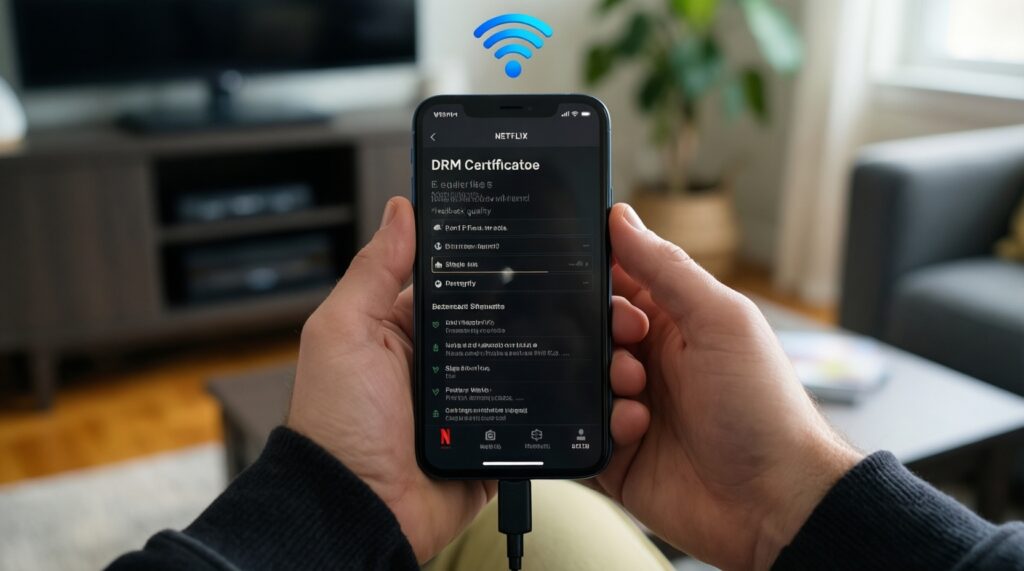
Check Widevine/DRM level and whether your device model is certified for HD/HDR in your region. Also confirm the playback quality setting inside the Netflix app and test on stable Wi‑Fi.
Disney+ looks dim compared to my phone-why?
You may be watching HDR with conservative tone mapping, or the tablet is reducing brightness to manage heat. Try disabling HDR (if possible), lower room light, and check if brightness drops after a few minutes.
I want "ซื้อแท็บเล็ตจอใหญ่ ลำโพงดี" without a soundbar-what's the minimum to look for?
Start with a true quad-speaker layout tuned for landscape use. If possible, test dialogue clarity at mid-high volume and listen for harshness or rattling.
Is 12-13 inch too big for bed and handheld use?
For many people, yes-weight and leverage matter more than screen size. If you watch lying down, an 11-12 inch tablet or a stand/arm mount is usually more comfortable.
Why does my "HDR" tablet still play SDR in some apps?
HDR depends on app support, certification, and DRM-hardware capability alone isn't enough. Confirm per-app behavior (Netflix/Disney+/Prime/YouTube) before assuming HDR works everywhere.
Should I buy Wi‑Fi only or cellular for streaming stability?
If you stream outside home often, cellular reduces reliance on congested public Wi‑Fi. If you mostly watch at home, Wi‑Fi-only is fine-prioritize a strong router and 5 GHz/6 GHz compatibility.
Which matters more for movies: higher refresh rate or better speakers?
For movies, better speakers and verified streaming quality usually matter more. High refresh rate helps scrolling and gaming, but most films don't benefit directly.