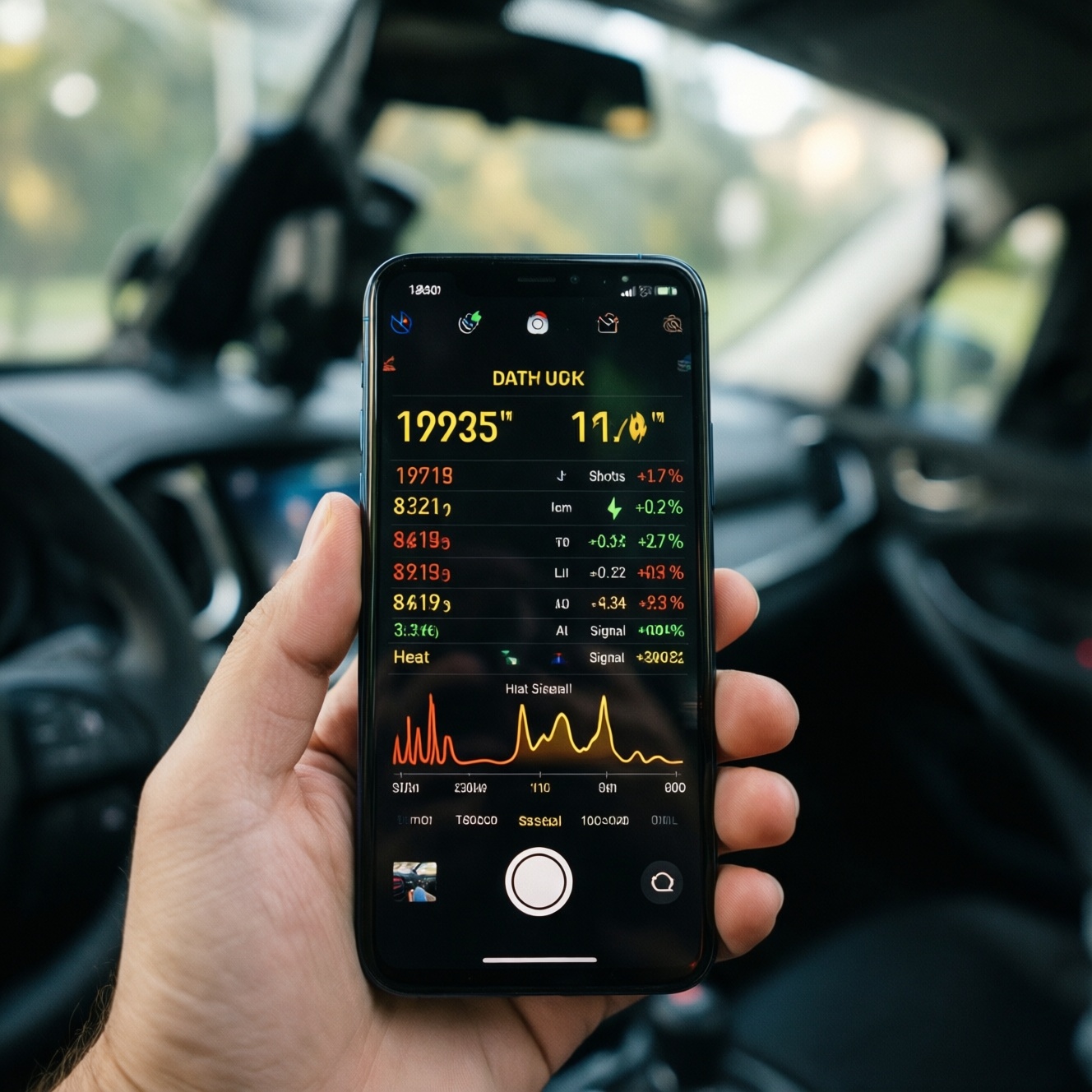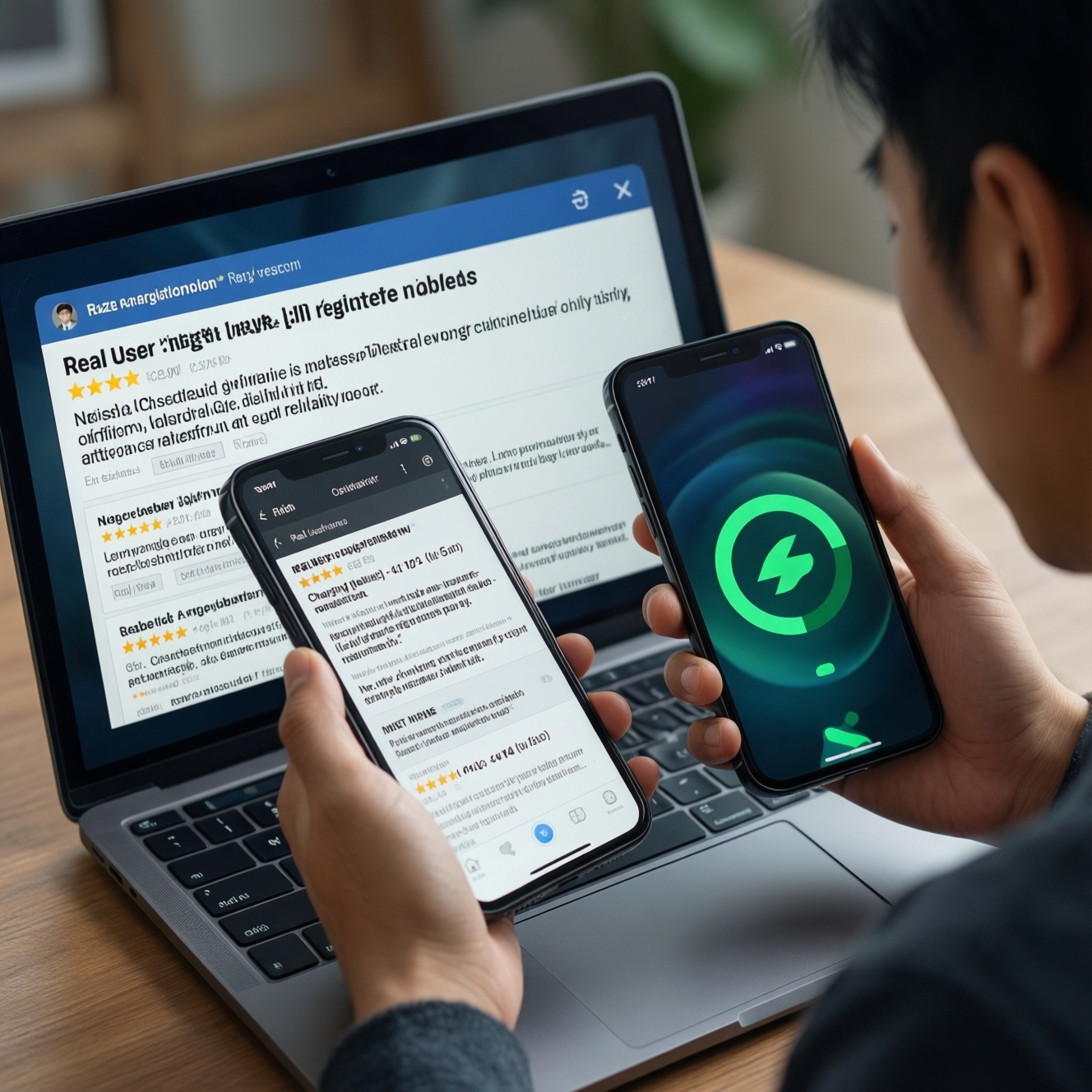
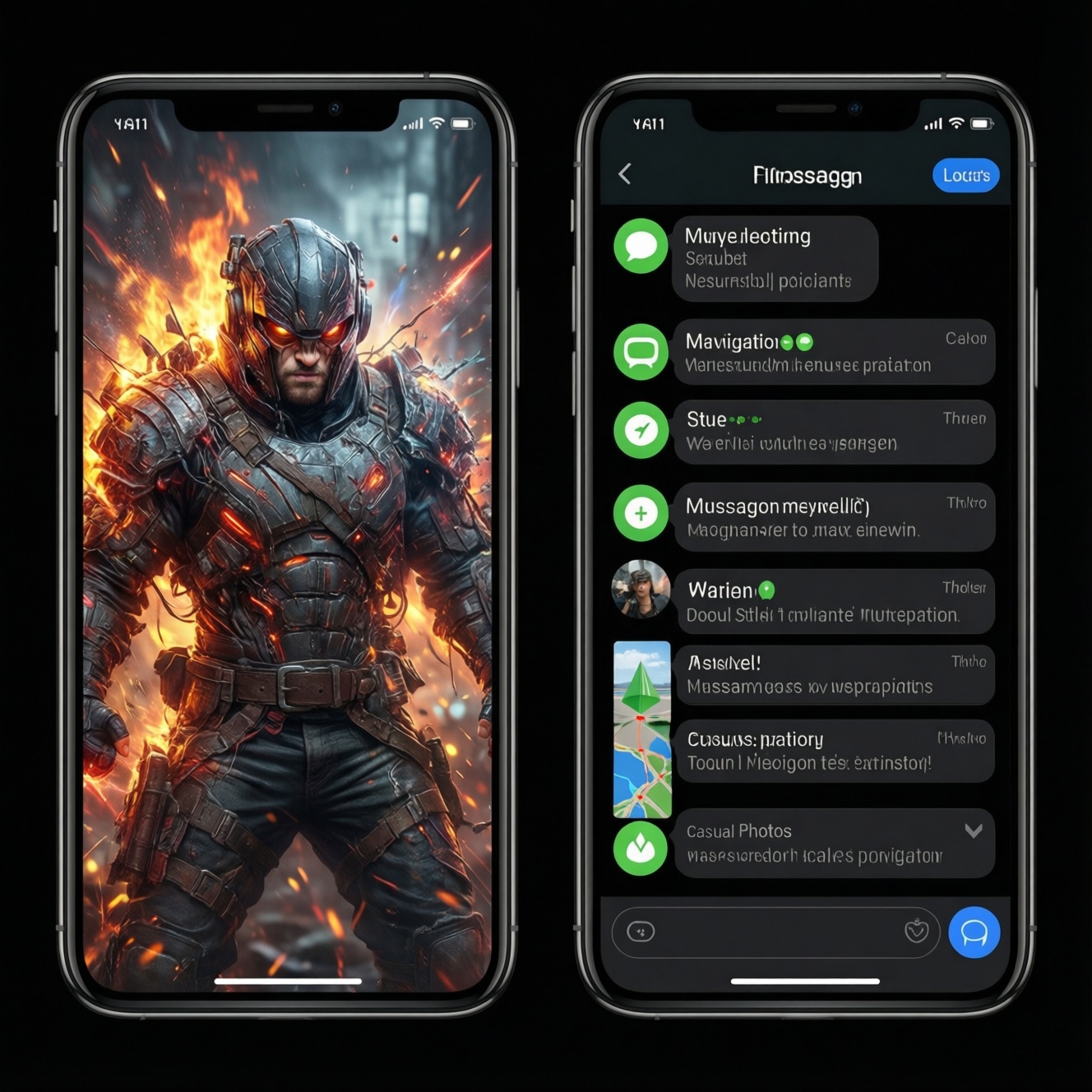
In daily use, a flagship-chip phone mainly feels faster under heavy multitasking, advanced camera processing, and sustained gaming, while a midrange-chip phone can feel nearly identical for messaging, social apps, navigation, and casual photos. The "best" choice depends less on benchmarks and more on your workload, heat tolerance, and how long you plan to keep the device.
Practical Summary for Daily Use
- Choose a flagship chip if your typical day includes heavy multitasking, frequent 4K video, or long gaming sessions where sustained performance matters.
- Choose a midrange chip if your usage is mostly social apps, streaming, banking, and occasional photos; the perceived speed gap is often small.
- Camera consistency (HDR, night processing, stabilization) is usually where flagship platforms show the most reliable "every time" results.
- Battery life can favor midrange devices because they often run cooler at light-to-medium loads.
- Don't overpay for "future-proofing" if update policy, storage, and thermals are weak.
- For "มือถือเล่นเกมชิปแรง ราคาไม่แพง", prioritize cooling design and stable frame delivery over peak chipset naming.
Performance in Everyday Tasks: Apps, Multitasking, and Responsiveness
When people ask "มือถือชิปเรือธง รุ่นไหนดี" or "มือถือชิประดับกลาง รุ่นไหนดี", the practical decision is about workload patterns and sustained smoothness-not just peak speed. Use these criteria to judge real daily performance.
- App launch consistency: does the phone open heavy apps repeatedly without stutter after hours of use?
- Background app retention: how often are apps reloaded when switching back (RAM management + storage speed)?
- UI responsiveness under load: does scrolling remain smooth while downloads, uploads, or navigation run?
- Sustained performance: after extended camera use or gaming, does the phone throttle and feel "slower than before"?
- Storage type and capacity: faster storage and more free space can matter as much as the chipset for day-to-day snappiness.
- Thermal design: heat management (cooling area, materials, internal layout) affects stability more than marketing names.
- Network stack efficiency: modem behavior impacts standby drain, heat, and "warm phone" moments during data-heavy tasks.
- Software optimization: the same class of chip can feel different depending on UI, background limits, and update quality.
If you're specifically doing a "เปรียบเทียบชิป Snapdragon 8 Gen vs Snapdragon 7 Gen", expect the flagship class to keep peak responsiveness longer under sustained load, while the midrange class often feels close for common apps but may show more slowdowns when heat builds up.
Cameras in Real Conditions: Photos, Video Stabilization, and Low-Light
Camera differences are rarely about daylight shots. The gap shows up in motion, mixed lighting, and video stabilization. A "รีวิวมือถือชิปเรือธง vs ชิประดับกลาง" that focuses on real-world scenes (night markets, indoor lighting, moving subjects) is more predictive than studio samples.
| Variant | Who it fits | Pros | Cons | When to pick |
|---|---|---|---|---|
| Flagship chip + flagship-grade main sensor | Frequent night shooting, family/kids/pets, travel video | More consistent HDR; faster capture-to-capture; stronger stabilization potential; better complex-scene processing | Often higher cost; can run warmer during long video | When you want dependable results in mixed light and motion without retakes |
| Flagship chip + average sensors (cost-focused flagship) | Users who want speed first, camera second | Fast processing; good video features on paper; quick editing/export | Image quality may be limited by optics/sensor; can disappoint vs expectations | When you game/edit a lot and only need "good enough" photos |
| Upper-midrange chip + strong main sensor (camera-focused midrange) | Photo-first buyers on a tighter budget | Very good main-camera daylight and portraits; strong value; often cooler in casual use | Night video and stabilization can be less reliable; slower processing for heavy HDR bursts | When still photos matter more than long night video or action scenes |
| Midrange chip + balanced sensors (typical midrange) | Everyday shooters, social media posting | Good daylight; easy sharing; often efficient battery behavior | More blur with moving subjects; low-light detail and color can drop quickly | When you mainly shoot in daylight and don't care about advanced video |
| Midrange chip + heavy computational features (AI-heavy camera app) | Users who like "tap once" processing and filters | Punchy look; convenient modes; decent results for static scenes | Can overprocess skin/foliage; processing delays; inconsistent look shot-to-shot | When you prefer a processed style and shoot mostly static subjects |
Battery Life, Charging Habits, and Heat Management
Battery is a system outcome: chip efficiency, modem, display, and thermals. Use scenario rules that match how you actually use the phone.
- If you mostly do chat, music, maps, and short camera bursts, then midrange chips often feel "effortless" and cooler, helping battery stability day to day.
- If you do long gaming sessions or extended 4K recording, then choose the phone with better thermal design (often paired with a flagship chip) because heat control affects both performance and battery drop.
- If you fast-charge frequently (top-ups during the day), then prioritize charging behavior and heat during charging; a cooler device is easier on comfort and consistency.
- If you travel and rely on mobile data for hours, then pay attention to modem efficiency and signal conditions; some setups run warm on weak signals regardless of chip tier.
- If you keep phones for multiple years, then avoid models that already feel hot in year one; battery aging is strongly impacted by repeated heat exposure.
Display and Media: Brightness, Color, and Streaming Comfort
- Decide your main viewing environment: mostly indoors, outdoors commuting, or mixed; buy for readability first, not resolution marketing.
- Check for stable brightness behavior: does it stay readable outdoors without rapidly dimming due to heat?
- Pick a refresh rate you can sustain comfortably: smooth scrolling is great, but stability (no sudden dips) matters more than peak.
- Verify color behavior in your apps: skin tones in photos, and shadow detail in streaming scenes.
- Confirm DRM/streaming support for your services; streaming comfort depends on both display and certification.
- Consider speaker quality and vibration/notifications if you consume media without headphones.
Connectivity, Gaming, and Perceived Future-Proofing
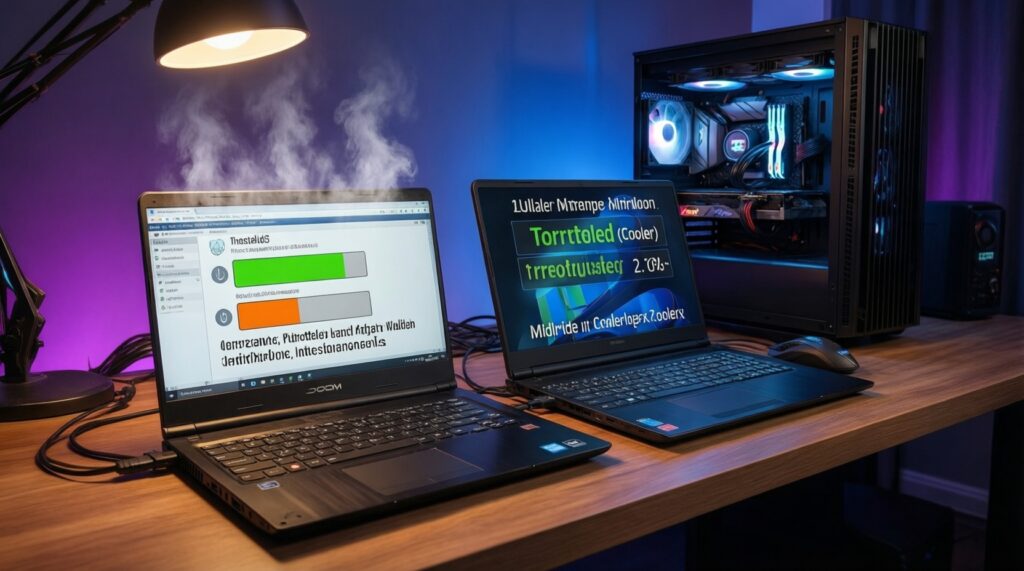
- Buying for the chip name while ignoring cooling: sustained gaming performance can drop sharply if the chassis can't shed heat.
- Assuming flagship always means better battery: at light loads, many midrange designs can be more efficient and feel cooler.
- Overvaluing peak performance for "future-proofing": real longevity often depends on update policy, storage size, and battery health, not just CPU/GPU class.
- Ignoring modem behavior: weak-signal areas can cause heat and drain that feel like "bad battery," regardless of chipset tier.
- Optimizing only for benchmarks instead of touch latency and frame stability: gaming feel depends on consistent frame pacing, not just top FPS.
- Choosing a "cheap gaming" phone without checking GPU driver support and game compatibility; this matters when you chase "มือถือเล่นเกมชิปแรง ราคาไม่แพง".
- Forgetting storage speed: game updates, app installs, and camera caching can feel slow on weaker storage even with a decent chip.
- Assuming "เปรียบเทียบชิป Snapdragon 8 Gen vs Snapdragon 7 Gen" settles everything: the same chip class can perform very differently across brands due to tuning and thermals.
Total Cost of Ownership: Updates, Repairs, and Resale Value
- If camera reliability in hard conditions is your priority (night, motion, video), go flagship-chip-oriented.
- If you multitask hard every day (work apps, editing, many background services), lean flagship to reduce slowdowns over time.
- If you want the best value for typical daily apps and prefer cooler, simpler ownership, choose a strong midrange implementation.
- If your goal is affordable gaming, pick the device with proven cooling and stable performance first; chip tier is secondary.
- If you keep phones long, prioritize update track record, battery replacement practicality, and storage capacity over small performance gains.
Best fit for heavy creators, long gaming sessions, and "set-and-forget" camera consistency is usually a flagship-chip phone. Best fit for everyday productivity, streaming, and value-focused ownership is usually a well-tuned midrange-chip phone-especially when it has solid storage, good thermals, and a strong main camera.
Common Purchase Concerns and Quick Answers
Will I feel a big speed difference in daily apps?
Often no for messaging, social, banking, and maps. The difference becomes noticeable when you juggle many apps, edit media, or push sustained workloads where a flagship stays smooth longer.
Is a flagship chip automatically better for photos?
No-camera hardware and tuning matter. Flagship platforms tend to be more consistent in HDR, motion, and low light, but a midrange phone with a strong main sensor can beat a cost-cut flagship with weaker optics.
Does midrange always mean better battery?
Not always, but midrange devices can be very efficient at light-to-medium loads. Battery results depend heavily on display, modem behavior, and heat management.
What matters most for "มือถือเล่นเกมชิปแรง ราคาไม่แพง"?
Cooling design and sustained frame stability. A slightly lower-tier chip that stays cool can feel better than a hotter flagship that throttles.
Is "เปรียบเทียบชิป Snapdragon 8 Gen vs Snapdragon 7 Gen" enough to decide?

It's a useful starting point, not the full answer. Brand tuning, storage speed, and thermal limits can change the real experience more than the generational label suggests.
How do I decide between "มือถือชิปเรือธง รุ่นไหนดี" and "มือถือชิประดับกลาง รุ่นไหนดี" without chasing benchmarks?
Write down your top three weekly workloads (camera, gaming, work multitasking). Buy the tier that keeps those workloads smooth and cool, then select the model with the best update policy and storage for your budget.