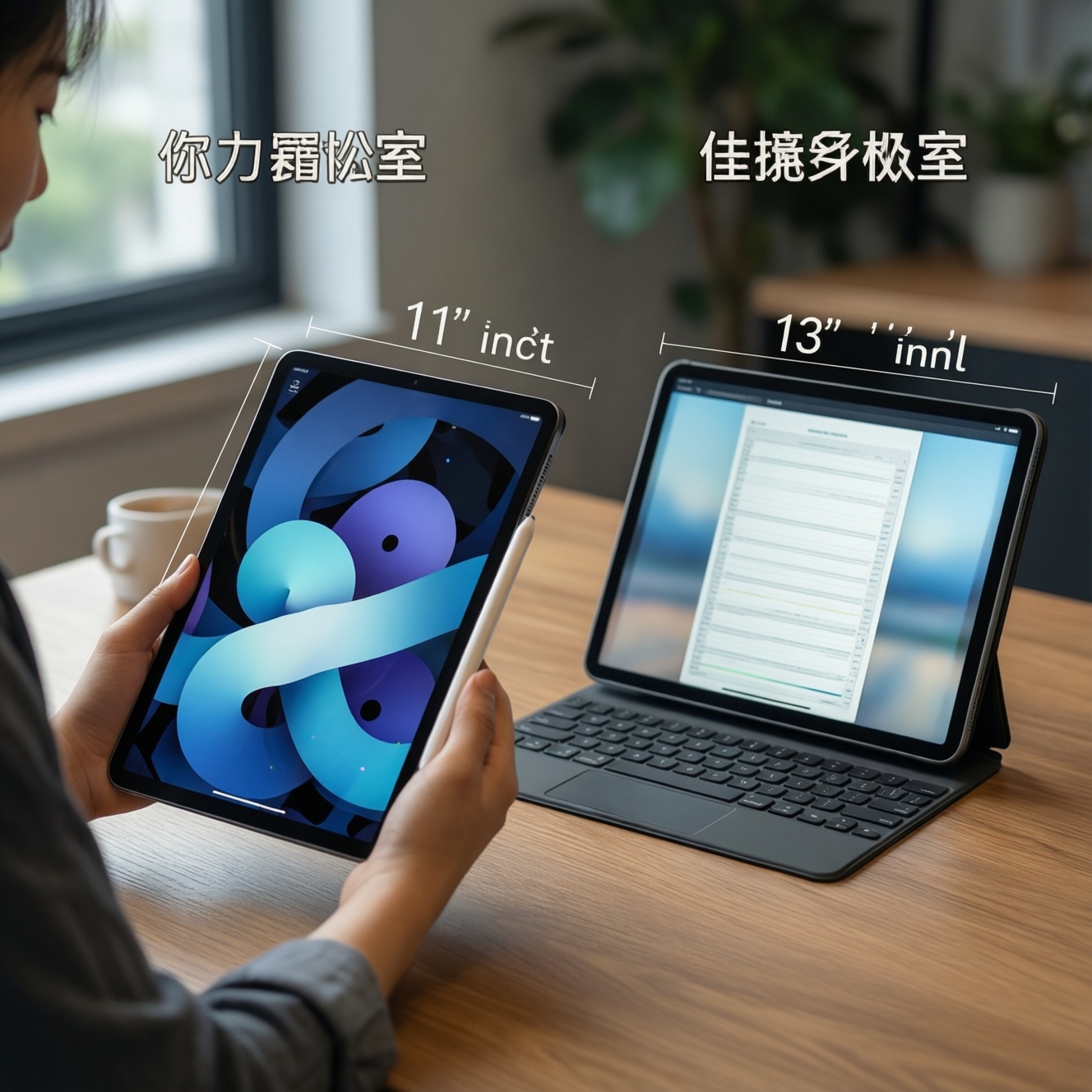
Choosing between an 11″ and a 13″ tablet is mostly a trade-off between mobility and workspace. An 11″ model is easier to carry, hold, and use on the move, while a 13″ model gives more screen real estate for split-screen, drawing, and laptop-like workflows. Your bag size, hand comfort, and accessory plan decide the winner.
At-a-glance trade-offs between 11″ and 13″ tablets
- Mobility: 11″ fits more bags and is easier to use one-handed; 13″ is better on a desk than in transit.
- Work area: 13″ reduces UI crowding in split-screen and timelines; 11″ favors single-app focus.
- Typing ergonomics: 13″ keyboard cases feel closer to laptop spacing; 11″ is workable but tighter.
- Pen workflows: 13″ gives longer strokes and more canvas; 11″ feels more "notebook-like" in hand.
- Carry + accessories: 13″ tends to "pull" you into a stand/keyboard setup; 11″ stays flexible.
- Budget risk: total cost swings more on 13″ once you add keyboard/stand; keep an eye on แท็บเล็ตจอใหญ่ 13 นิ้ว ราคา plus accessories.
Display and productivity: how size changes workflow
Use these criteria to decide (especially if you're asking ซื้อแท็บเล็ตจอ 11 หรือ 13 นิ้วดี):
- Split-screen density: if you regularly run two apps (docs + browser, chat + calendar), 13″ stays readable with fewer zoom/scroll interruptions.
- Editing timelines and grids: video timelines, spreadsheets, and dashboards benefit from 13″ because more columns/tracks remain visible.
- Handheld comfort: 11″ is easier for reading in bed, standing note-taking, and long handheld sessions.
- Keyboard case intent: if you will type daily, 13″ often delivers better key spacing and palm rest; 11″ is fine for shorter bursts.
- Pointer vs touch: 13″ pairs well with trackpad/mouse; 11″ is more natural as a touch-first device.
- Pen precision vs portability: 13″ gives more elbow room for drawing/whiteboarding; 11″ is better for quick sketches and field notes.
- Viewing distance: if your tablet sits further away on a stand (kitchen, desk, meeting room), 13″ stays legible.
- App UI behavior: some apps switch layouts at larger sizes (more panels, sidebars), which can make 13″ feel more "desktop-like."
Portability and carry options: real-world mobility comparison
The size decision becomes clearer when you think in "carry modes" instead of inches. The table below compares practical options for commuting, campus, and travel-use it as your เปรียบเทียบแท็บเล็ต 11 นิ้ว vs 13 นิ้ว checklist.
| Variant | Who it fits | Pros | Cons | When to choose |
|---|---|---|---|---|
| 11″ tablet (bare, no keyboard) | Commuters, readers, light note-takers | Fast to grab; easiest to hold; simplest packing | Less comfortable for long typing; more UI scaling in split-screen | Most tasks are reading, messaging, PDFs, quick notes |
| 11″ + slim folio/stand | Students, meeting-heavy users | Better viewing angles; still compact; protects in bag | Stand stability varies; lap use can be awkward | You want "tablet-first" with occasional desk viewing |
| 11″ + keyboard case | Writers on the move, email-heavy workflows | Portable pseudo-laptop; quick typing anywhere | Tighter key spacing; trackpad gestures feel smaller | You need mobile typing but still prioritize compact carry |
| 13″ tablet (bare, no keyboard) | Artists, large-canvas note-takers | Big canvas; better split-screen readability | Harder one-handed use; bulkier in small bags | You mostly use it seated and value screen space over grip comfort |
| 13″ + keyboard case | Creators, office-style multitaskers | Closest to laptop ergonomics; strong for docs + browser + chat | Heavier carry; needs bag planning; higher "total kit" footprint | You want a laptop-like workflow without carrying a laptop |
| 13″ + stand + external keyboard/mouse | Home/desk users, hybrid workers | Best posture and flexibility; screen at eye level possible | Least portable; more pieces to manage | You mainly work at a fixed desk and travel occasionally |
Performance, thermals and chassis limits by screen class
Screen size doesn't automatically equal faster performance, but it often changes how the device is used (and how heat builds up under sustained load). Apply these scenario rules:
- If you do long exports (video renders, large RAW batches) then prefer the model class that can sustain performance while mounted on a stand/keyboard-13″ setups are more commonly used in that stable "workstation" posture.
- If you game for long sessions then prioritize comfort and cooling behavior: an 11″ is easier to hold without blocking vents/heat zones, while 13″ is typically better when propped up rather than handheld.
- If you multitask heavily (multiple floating windows, external display, continuous video calls) then 13″ reduces the "UI friction" that makes you push the system harder via constant app switching and zooming.
- If your day is short bursts (notes, email, browsing, annotating PDFs) then 11″ is often the more efficient form factor because it encourages quick, touch-first interactions without extra accessories.
- If you plan to use an external display frequently then the tablet becomes a "CPU + input hub"; pick the size based on whether the tablet itself must also be your main screen (13″) or just a controller/secondary screen (11″).
Battery, charging and measured endurance differences
Without relying on model-specific numbers, use this fast selection algorithm to avoid surprises:
- Write down your longest unplugged block (commute + classes, meetings, travel day).
- List your highest-drain tasks (gaming, video calls, hotspot use, maximum brightness outdoors).
- If you will use a keyboard case + trackpad daily, assume more "always-on" time and pick the size you can realistically carry with that case.
- If you work at higher brightness (cafés, outdoors), lean toward the size that stays comfortable to position and angle; poor angles force higher brightness.
- Decide whether you can carry a charger/power bank; if yes, prioritize ergonomics (often 13″ at desk, 11″ in hand) over theoretical endurance.
- If you frequently charge in short bursts, prioritize fast, convenient charging accessories and cable habits; a bigger setup only helps if you actually bring it.
Accessories, input methods and workspace setup
Most "wrong size" purchases come from accessory assumptions. Avoid these common mistakes:
- Buying 13″ for "productivity" but using it handheld most of the day-your wrists decide the limit, not the CPU.
- Buying 11″ for portability, then adding a heavy keyboard case that removes the carry advantage.
- Ignoring bag compatibility: check whether your daily sling/backpack has a rigid sleeve for 13″; soft bags can flex and pressure the screen.
- Assuming any stand works on a lap-many stands wobble unless supported by a desk.
- Underestimating pointer comfort: long editing sessions often want a trackpad/mouse; 13″ tends to benefit more from pointer-first workflows.
- Skipping a matte/protective solution for pen work: glare and friction matter more on a large 13″ canvas.
- Buying an expensive keyboard before confirming language layout and key feel; test typing posture for both sizes.
- Forgetting audio/video-call framing: 13″ is easier to place at eye level on a stand, improving call ergonomics.
Decision tree: which screen size fits your daily profile
- Step 1 (carry): If you carry the tablet in a small sling or use it standing/on transit daily → go 11″. If it lives in a backpack or mostly at a desk → continue.
- Step 2 (workflow): If split-screen, spreadsheets, timelines, or side-by-side research is a daily habit → go 13″. If you mainly use one app at a time → continue.
- Step 3 (input): If typing > handwriting most days → favor 13″ with a keyboard. If handwriting/pen > typing → favor 11″ unless you need a large canvas.
- Step 4 (posture): If you can reliably use a stand/desk setup → 13″. If you're often couch/bed/standing → 11″.
- Step 5 (shopping reality): If you're searching แท็บเล็ต 11 นิ้ว รุ่นไหนดี because you want maximum choice in compact sizes → 11″ ecosystems are often more plentiful. If your priority is large-screen work and you're comparing แท็บเล็ต 13 นิ้ว รุ่นไหนดี options → focus on 13″ models with strong accessory support.
For a commuter who reads, annotates, and answers messages between locations, 11″ is usually the better fit because it stays usable handheld. For a creator who edits, draws on a big canvas, or lives in split-screen at a desk, 13″ tends to feel more "work-ready." For a student, choose 11″ if campus mobility dominates, and 13″ if the tablet replaces a laptop for typing and research.
Common purchase dilemmas with concise solutions
Will 13″ feel too big for everyday carrying in Bangkok?
If you use BTS/MRT daily and often stand, 13″ can feel bulky unless you keep it in a backpack and use it mostly seated. If your real usage is handheld, 11″ is the safer ergonomic bet.
Is 11″ enough for split-screen notes + slides?
It works, but you'll zoom/scroll more and may switch apps more often. If you do this for hours, 13″ reduces friction and feels less cramped.
Which size is better for handwriting and Thai note-taking?
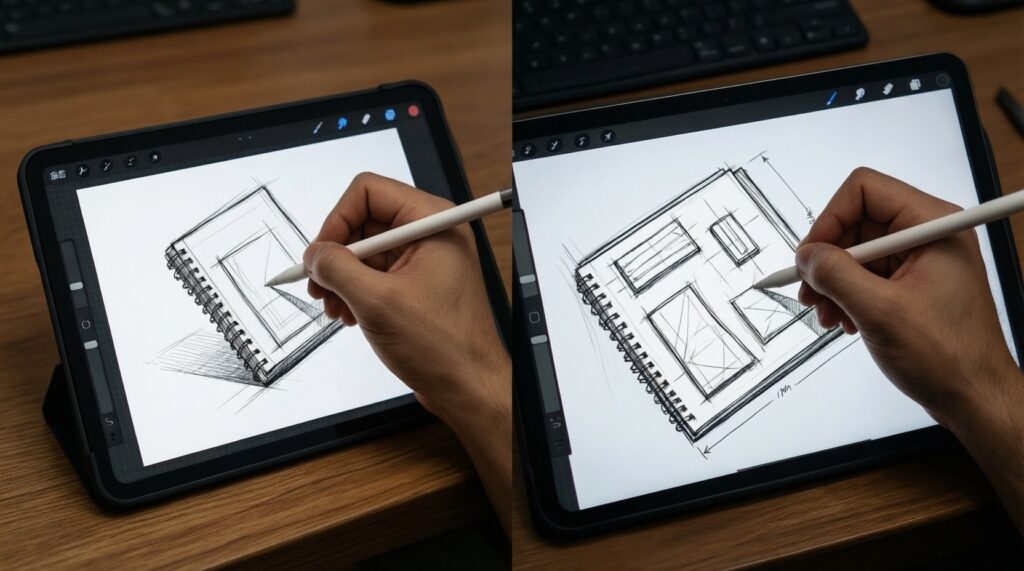
Both work well with a pen; 11″ feels like a portable notebook, while 13″ is better for long strokes, diagrams, and multi-page planning on one view.
Can a 13″ tablet replace a laptop for documents and email?
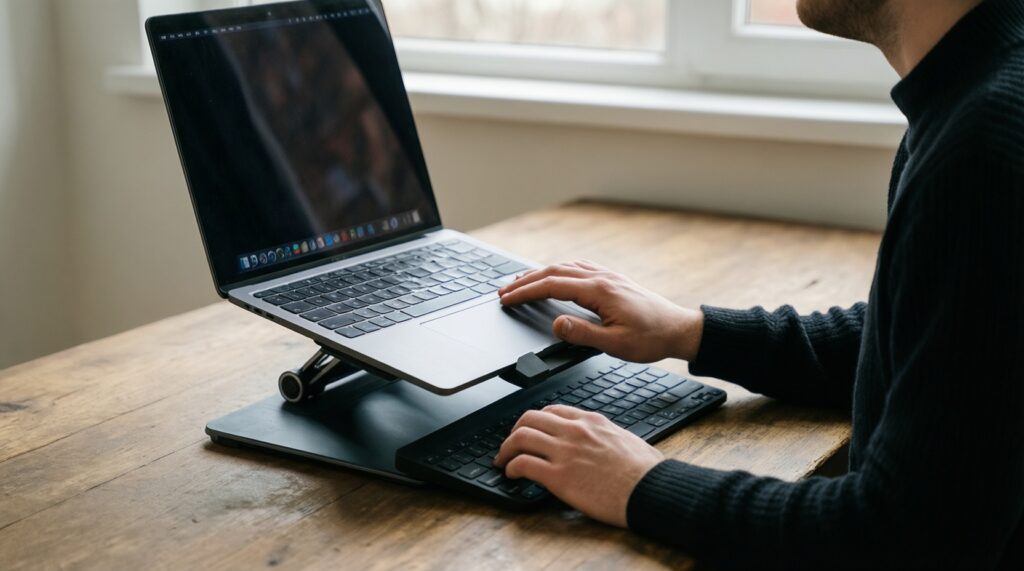
It can for many workflows if you commit to a keyboard/trackpad and a stable stand posture. If you won't carry those accessories, the "replacement" benefit drops fast.
I want gaming and media-does 13″ automatically win?
13″ is more immersive on a stand, but 11″ is often more comfortable to hold for long sessions. Decide whether you play mostly propped up or handheld.
How should I think about total cost without a fixed budget?
Price differences usually come from the full kit (keyboard, stand, bag) rather than the tablet alone. When comparing, include the accessories you'll actually carry every day-especially when checking แท็บเล็ตจอใหญ่ 13 นิ้ว ราคา.