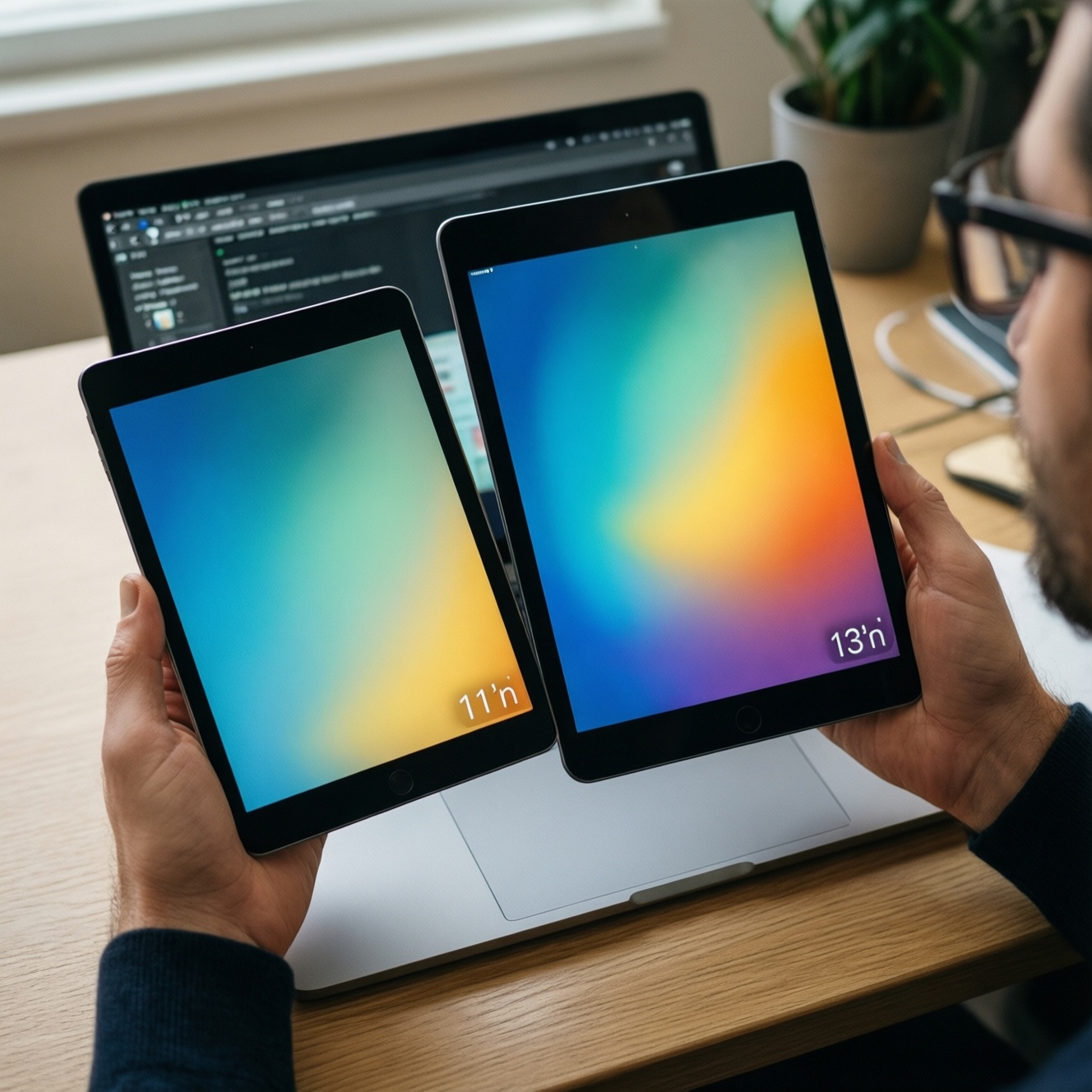
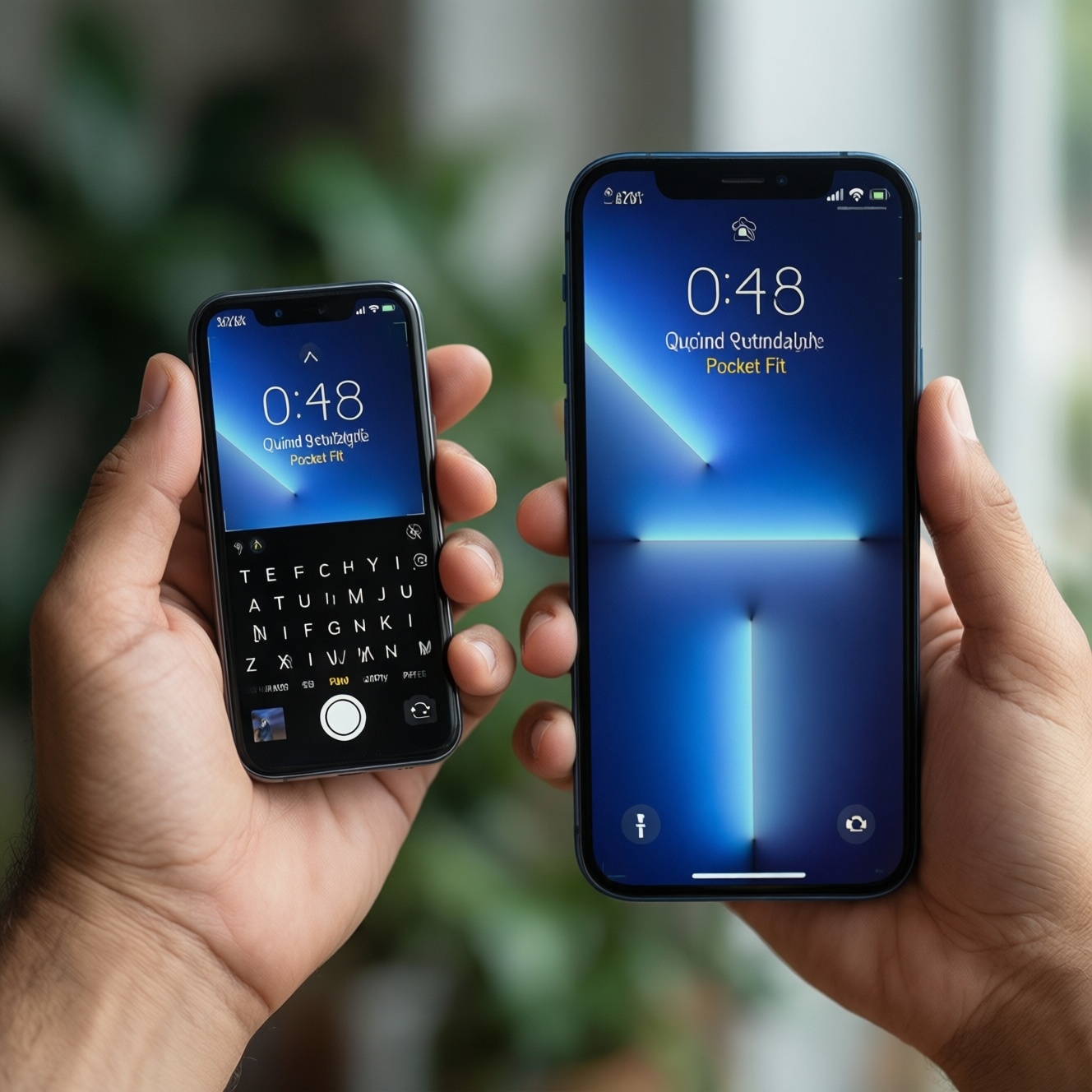
If you prioritize one-hand typing, pocketability, and quick camera handling, a smaller phone is usually the better fit; if you want easier framing, media, multitasking, and longer comfort for reading, a big screen tends to win. The best choice comes from your thumb reach, pocket test, and camera priorities-not a single "best size."
Quick Decision Summary for One-Hand Use vs Big Screen
- Choose a smaller phone when your top need is reliable one-hand typing and you often use the phone while standing, commuting, or carrying items.
- Choose a big-screen phone when your top need is content visibility (maps, spreadsheets, reading, editing) and you're comfortable using two hands.
- If your search is "มือถือพิมพ์มือเดียวได้ รุ่นไหนดี", prioritize narrow width, good reachability tools, and a flat screen edge.
- If your search is "มือถือถ่ายรูปสวย รุ่นไหนดี", focus on camera system quality and handling (stability, reach to shutter, grip), not only screen size.
- If your search is "มือถือเครื่องเล็ก รุ่นไหนดี", screen size matters less than body width, weight balance, and case choice.
- If your search is "มือถือจอใหญ่ รุ่นไหนดี", verify one-hand fall risk, heat under load, and whether apps scale well in split-screen.
- For "ซื้อโทรศัพท์มือถือ เครื่องเล็ก vs จอใหญ่ รุ่นไหนคุ้ม", pick the size that reduces daily friction: missed taps, drops, eye strain, or battery anxiety.
Ergonomics and One-Hand Typing: Which Size Wins
Use these criteria to decide quickly; most people underestimate width and grip more than screen inches.
- Body width (not just screen size): narrower phones reduce thumb stretch and improve one-hand stability.
- Thumb reach to top-left/top-right: test common actions (back, search, quick settings) without shifting grip.
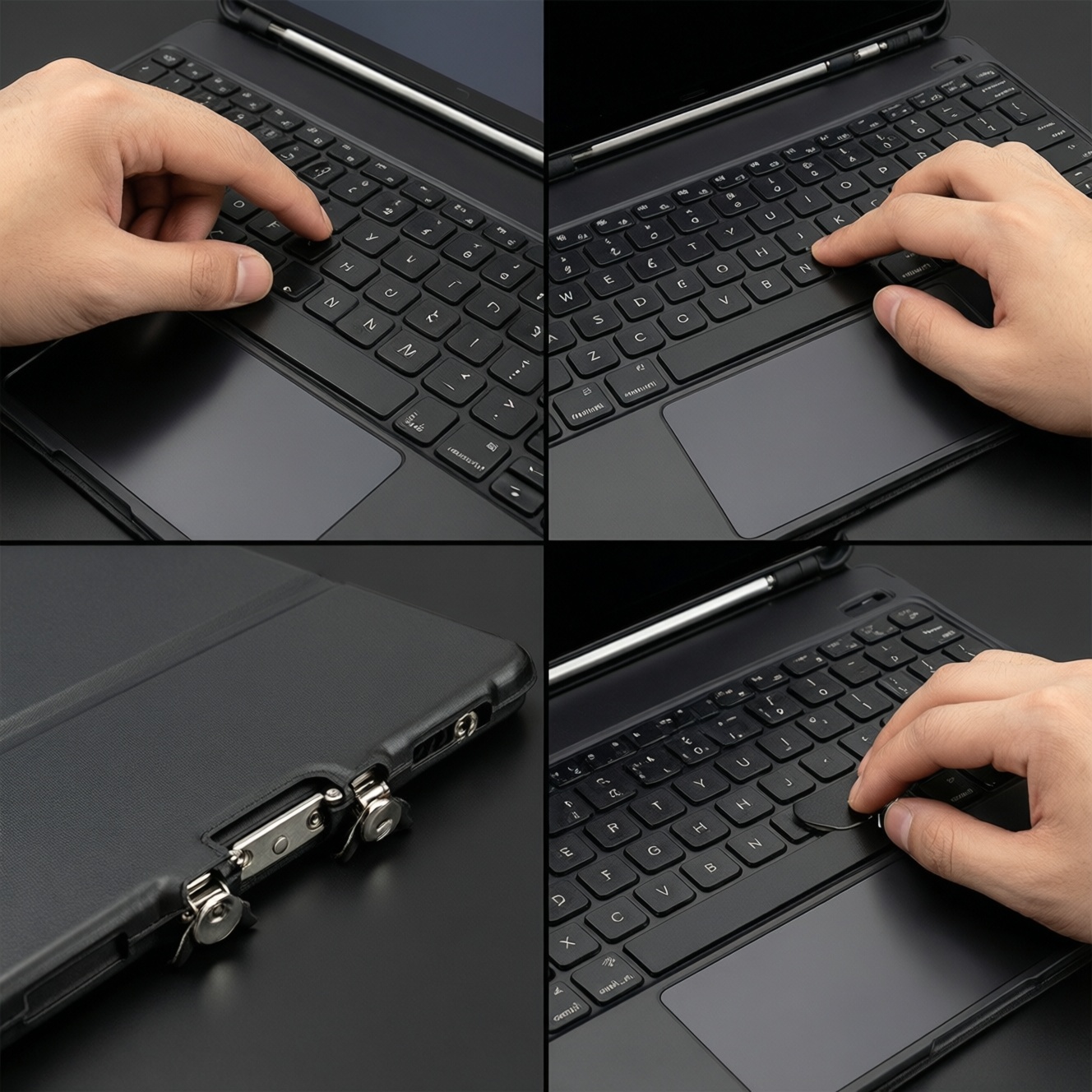
- Keyboard comfort: fewer typos depend on stable grip, key size, and whether you can anchor the phone with your palm.
- Weight and balance: top-heavy phones feel worse one-handed and increase drop risk during photo capture.
- Side rails and back material: matte/grippy finishes help; slippery glass plus a large body is the worst combo for one-hand use.
- Button placement: power/volume ideally reachable without regripping; consider camera shortcut access.
- Edge design: curved edges may look premium but can cause accidental touches; flat edges can improve control.
- Software reachability: one-hand mode, gesture navigation tuning, and keyboard one-hand layout can compensate for size.
- Case strategy: a thin grippy case can make a medium phone behave like a "small" phone in real use.
Photography Trade-offs: Stabilization, Zoom and Framing
Screen size affects how easily you compose shots and review details; camera hardware and stabilization decide image quality. Pick the combo that matches your style (quick street shots vs deliberate composition).
| Option | Who it fits | Pros | Cons | When to choose |
|---|---|---|---|---|
| Small phone + strong main camera | Everyday shooters, commuting, quick one-hand capture | Easier to hold steady one-handed; fast pocket-to-shot; less fatigue | Smaller viewfinder for fine framing; review/edit feels tighter | If you shoot spontaneous moments and want "grab and go" reliability |
| Small phone + telephoto (optical zoom) | Travel, street, portraits with distance | Reach without digital crop; easier one-hand carry for long days | Tele module may be weaker in low light; framing at high zoom is harder on a small screen | If you frequently zoom for people, signs, stage events |
| Big-screen phone + strong main camera | Content creators, parents, frequent photo review | Large viewfinder helps composition; easier to spot blur/noise; better editing comfort | More hand movement; one-hand shutter reach can be awkward; higher drop risk during shooting | If you often retake shots, compare takes, or edit on-device |
| Big-screen phone + telephoto + strong stabilization | Concerts, sports, travel zoom, demanding users | Best framing and review; stability helps at longer focal lengths; "camera-first" experience | Bulky for daily carry; harder to use discreetly; more tiring in long sessions | If zoom is a daily tool and you want the easiest on-screen composing |
| Small phone + gimbal/selfie-focused workflow | Vloggers who already use accessories | Accessory handles stability; lighter rig overall; easy transport | Extra gear; less spontaneous; setup friction | If you value portability but want "pro-like" video stability |
| Big-screen phone + tripod/editing-first workflow | Food, product shots, planned shoots, Lightroom-type editing | Comfortable editing timeline; easier precise cropping and masking; better preview for clients | Not fun for quick one-hand snapshots; bigger device management | If you treat the phone as a mini studio and edit frequently |
Quick camera checks (do these in-store):
- Shutter reach test: open camera, switch to 2x/3x, tap focus, change exposure-without shifting grip more than once.
- Stability test: record a 10-15 second video while walking; see if you can keep the horizon steady comfortably.
- Review test: zoom into a face/hair detail after the shot; if you struggle to judge sharpness, a bigger screen may help more than you expect.
Portability: Pocketability, Weight and Everyday Carry
Use scenario rules to avoid buying a phone that looks fine on paper but annoys you daily.
- If you wear lightweight pants/shorts often (Thailand heat, casual wear), then favor a smaller or narrower phone to reduce pocket sag and awkward movement.
- If you commute on BTS/MRT and hold bags/rails, then a smaller phone reduces drop risk and makes tapping tickets/messages easier one-handed.
- If you use your phone for navigation on a scooter mount or in-car, then a big screen improves glance readability-just check heat under sun and screen brightness comfort.
- If you do lots of reading, documents, or spreadsheet approvals, then a big screen reduces eye strain and constant zooming.
- If you frequently carry a power bank, wallet, keys, and second phone, then going smaller can reduce total carry friction more than you think.
Quick pocket test: put a demo unit (or same-size dummy) in your front pocket, sit down, and do a short walk. If it digs, shifts, or feels like it might slip, you'll notice it every day.
Battery, Thermal Behavior and Real-World Endurance
- List your heavy apps (5G hotspot, gaming, video calls, GPS, camera) and mark which ones you use outdoors in heat.
- Decide your charging style: frequent top-ups favor any size; one full-day/no-anxiety use often favors bigger bodies (more space for battery/heat spread) depending on model.
- Check charging access: if you rely on quick top-ups between meetings, prioritize stable fast charging behavior and a cable-friendly case.
- Plan for heat: if you record video or navigate in direct sun, prefer the option that you can hold comfortably and that won't force you to stop due to heat warnings.
- Assess grip under warmth: larger phones get harder to hold securely when warm; test with a case that improves friction.
- Decide what you will sacrifice first: brightness, performance, or camera time-your tolerance determines the better size class for you.
Software Scaling: App Layouts, Multitasking and Accessibility
- Assuming a big screen guarantees better productivity: some apps simply scale up with wasted space rather than showing more content.
- Ignoring one-hand features: reachability, back gestures, and keyboard one-hand modes can make a medium/big phone usable-or leave it frustrating if missing.
- Not testing split-screen and floating windows: big screens help only if your must-use apps behave well in multitasking.
- Overlooking font/UI scaling: many users solve "small screen" discomfort by increasing text size and display scaling-without needing a huge phone.
- Forgetting notification reach: quick settings and notification shade can be harder to pull on tall phones without gesture tuning.
- Buying for media, then using a thick case: bulky cases can turn a big phone into an awkward brick; check your case plan before deciding size.
- Underestimating accidental touches: edge curves and palm rejection vary; test typing and scrolling with the same grip you use daily.
- Not considering accessibility shortcuts: one-handed mode, assistant menu, double-tap back, and custom gestures often matter more than screen inches.
Decision Matrix: Match Phone Size to Specific User Profiles
- Start → Do you need to type and operate mostly one-handed?
- Yes → Do you frequently shoot quick photos while walking/commuting?
- Yes → Choose small or narrow, prioritize grip/case and fast camera access.
- No → Choose small-to-medium, focus on keyboard comfort and reachability tools.
- No → Is your daily use mostly reading, maps, editing, or multitasking?
- Yes → Choose big screen, validate app scaling and heat in outdoor use.
- No → Choose medium; it often balances carry comfort and visibility.
- Yes → Do you frequently shoot quick photos while walking/commuting?
Best fit for one-hand-first commuters is typically a smaller/narrower phone with strong reachability features; best fit for read/edit-heavy users is typically a big-screen phone that handles multitasking well. If your priority is "camera feel," pick the size that lets you hold steady and reach controls confidently, then choose the best camera system within that size class.
Common Purchase Doubts Resolved
Is a small phone always better for one-hand typing?
Not always-width, weight balance, and keyboard software matter as much as screen size. A narrow medium phone can outperform a "small" but wide device.
Will a big screen automatically mean better photos?
No; it mainly improves framing and review. Photo quality depends on the camera system and stabilization, while handling affects how often you get blur-free shots.
Which is more "worth it" if I'm unsure: small vs big?
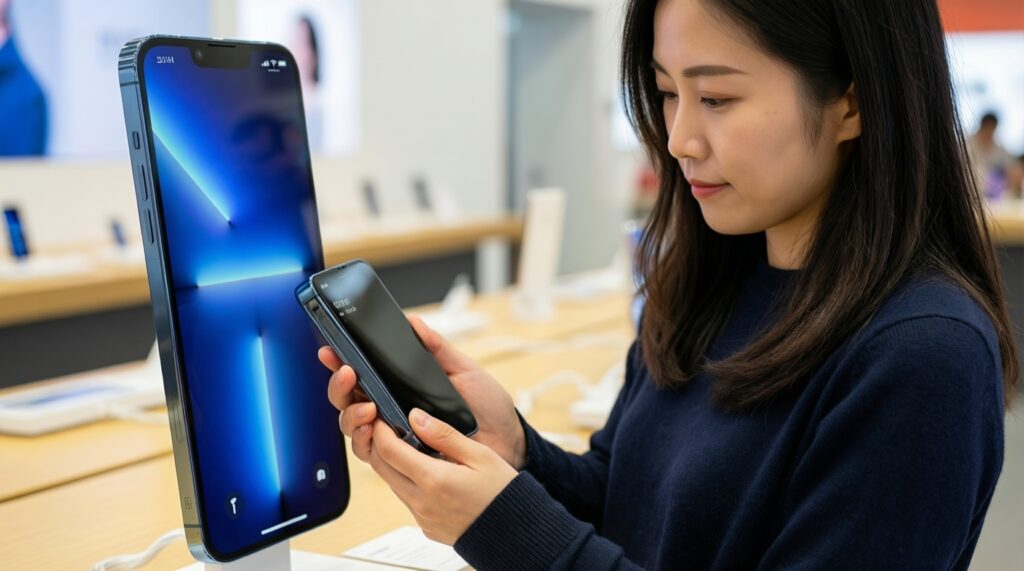
If daily friction is typing and carry comfort, go smaller; if it's visibility and editing, go bigger. "ซื้อโทรศัพท์มือถือ เครื่องเล็ก vs จอใหญ่ รุ่นไหนคุ้ม" is best answered by which size removes your most frequent annoyance.
How do I decide quickly in a shop?
Do three tests: thumb reach to top corners, pocket sit/walk test, and a 10-15 second walking video stability test. The size that passes all three for you is the safe pick.
I want "มือถือถ่ายรูปสวย รุ่นไหนดี" but also easy carry-what should I compromise on?
Compromise on screen size before compromising on the main camera quality. A smaller phone with a strong main camera is often the best portability-to-photo balance.
Does a big phone always have better battery?
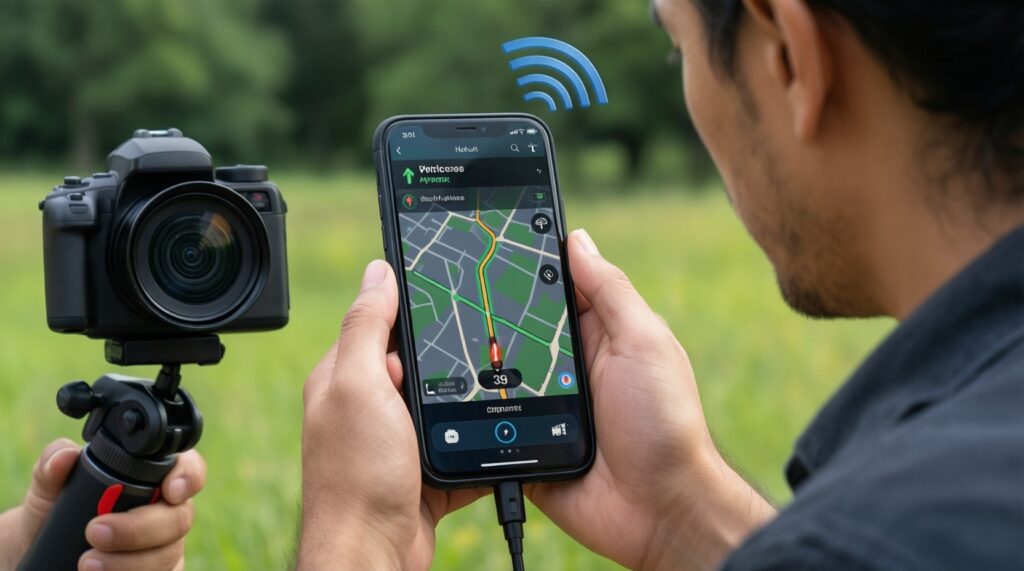
Often it can, but endurance varies by chipset, display settings, and thermal limits. Treat size as a hint, then confirm with real-use expectations like GPS + camera + 5G.
Is "มือถือจอใหญ่ รุ่นไหนดี" basically the same as choosing the largest screen?
No-choose the big screen that you can still hold securely and that scales your must-use apps well. Comfort and software behavior decide satisfaction more than maximum inches.