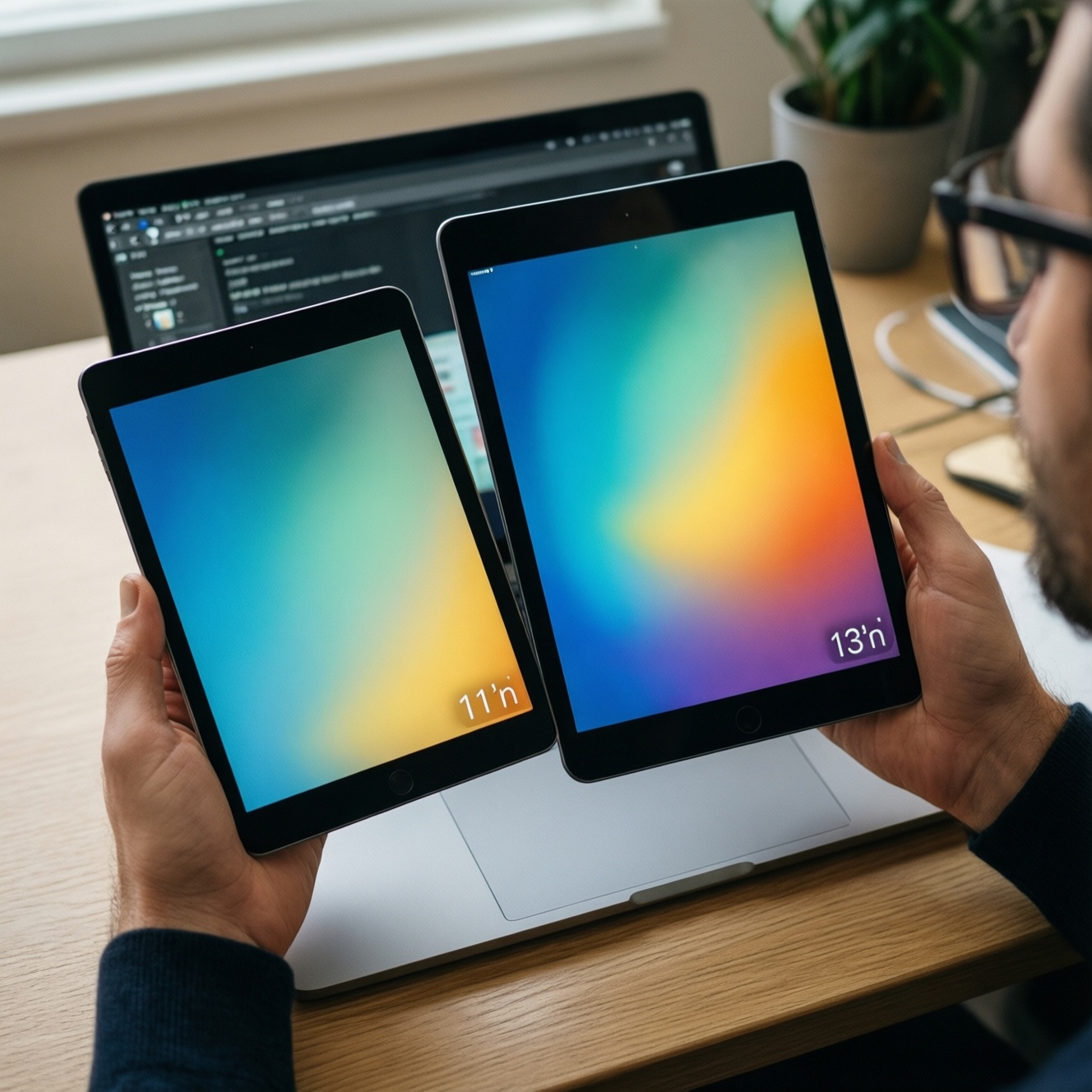
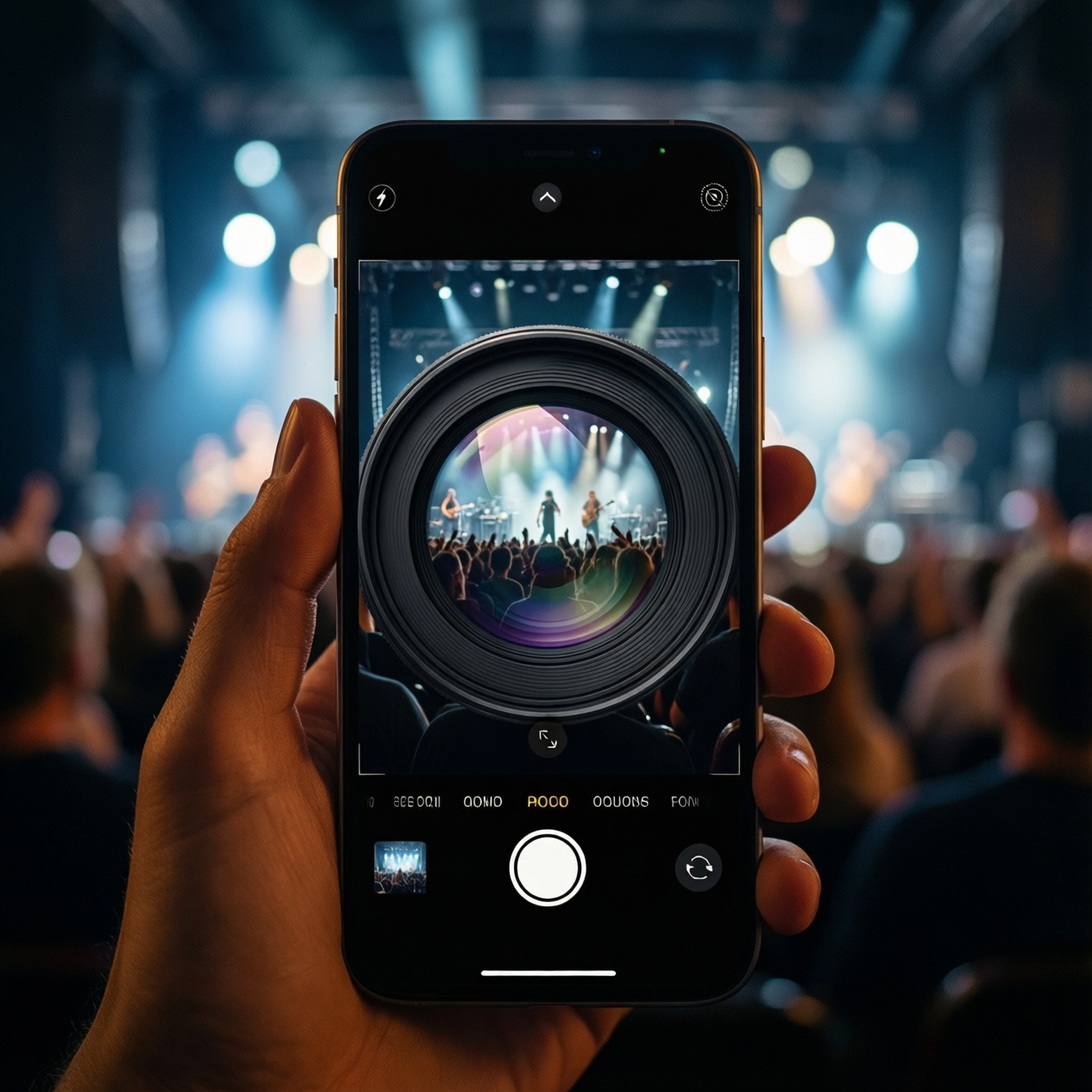
A phone with a real telephoto zoom lens usually delivers cleaner detail, better subject separation, and more consistent results for concerts, pets, and travel than a no-zoom phone that relies on digital crop. The gap grows with distance and low light, but modern computational processing can narrow it for moderate zoom levels and bright scenes.
Core factors that change image quality with phone zoom
- Lens type: true optical telephoto vs digital crop (and any intermediate "hybrid" steps).
- Sensor + aperture on the tele camera: small tele sensors need more light and can smear detail sooner.
- Stabilization quality: OIS/EIS tuning matters more as magnification increases.
- Autofocus system: tracking reliability is often different on the tele camera than on the main camera.
- Processing pipeline: multi-frame stacking, denoise, and sharpening can rescue or ruin fine detail.
- Zoom "switch points": when the phone jumps between cameras, color/exposure and detail can change.
Optical vs digital zoom: technical differences and visible effects
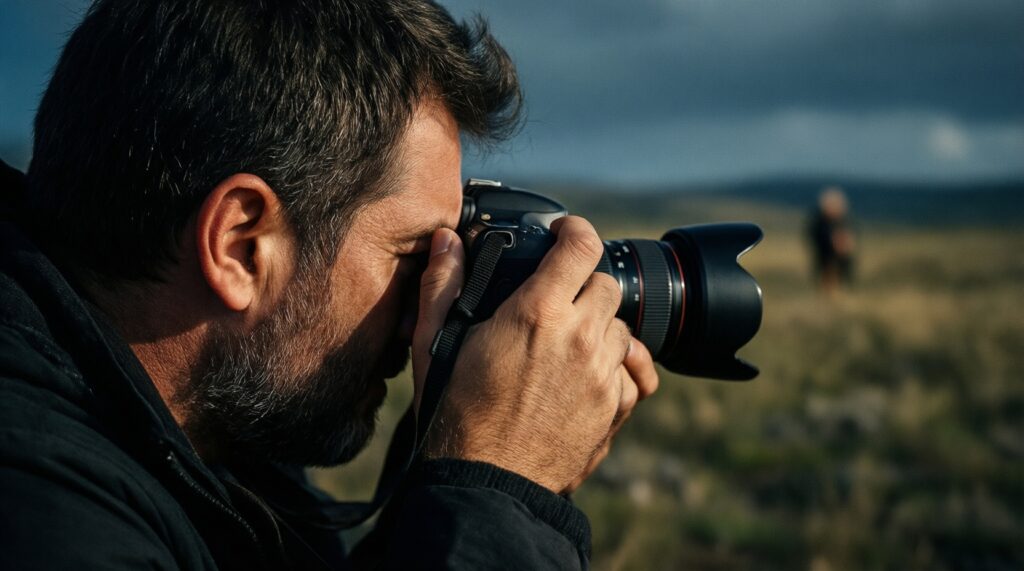
- True reach (detail at distance): optical telephoto resolves real texture; digital zoom mainly enlarges pixels and edges.
- Low-light performance at zoom: tele cameras often have smaller sensors; digital crop may keep you on the brighter main camera but loses detail fast.
- Stability at high magnification: telephoto magnifies hand shake; strong OIS and smart EIS are decisive.
- AF accuracy on moving targets: tele modules can focus slower and hunt more, especially indoors.
- Consistency across zoom levels: some phones "cheat" with crop between 2x-3x; evaluate what's optical vs what's upscaling.
- Skin and fabric rendering: aggressive sharpening on digital zoom creates halos; optical detail looks more natural when you zoom in later.
- HDR behavior under stage lighting: processing may clip spotlights or smear colored beams; some tele cameras handle highlight roll-off worse.
- Portrait/subject separation: optical telephoto gives more natural perspective and blur; digital zoom relies on segmentation that can break at hair/ears.
In Thai shopping discussions like เปรียบเทียบมือถือซูมกับไม่มีซูม, the practical takeaway is simple: for distant subjects, a tele lens changes what the phone can physically resolve; software mainly changes how that crop is "presented."
Performance in low light and concert scenarios: noise, detail, and exposure
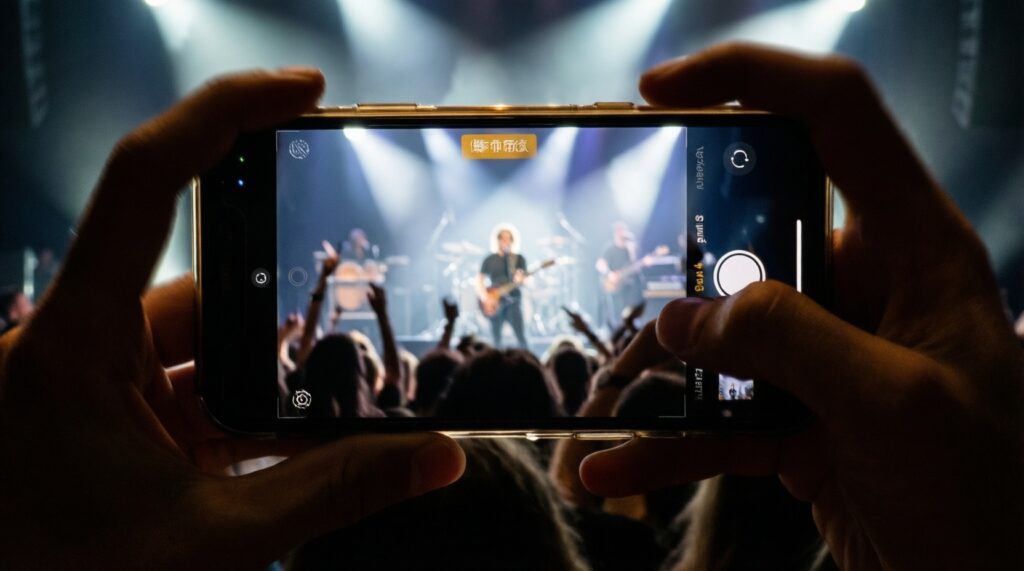
For มือถือถ่ายคอนเสิร์ตซูมไกล situations, your limiting factors are shutter speed (to stop performer motion), stabilization (to stop hand shake), and the tele camera's light-gathering. Use the table to match your seat distance and lighting to the right zoom approach.
| Variant | Who it suits | Pros | Cons | When to choose |
|---|---|---|---|---|
| No tele lens (main camera crop) | Casual concert clips, bright venues, short distance | Usually brighter exposure; consistent color from the main sensor; simpler switching | Detail collapses quickly past moderate zoom; sharpening halos; faces can look "painted" | If you're near the stage or the venue lighting is strong and you mostly share to social |
| 2x optical (or close-to-optical) | Mid-distance seats, mixed indoor light | Cleaner facial detail than crop; easier framing than 1x; less shake than longer tele | Still limited reach for far seats; some phones use crop for part of the range | If you want dependable improvement without the stability demands of long tele |
| 3x optical telephoto | Most concertgoers not in front rows | Noticeable step-up in reach; better composition control; more natural perspective | Tele sensor may be noisier; AF can hunt under colored lights; steadiness becomes critical | If performers are small at 1x-2x and you still want usable stills, not just video |
| 5x optical telephoto | Far seats, arenas, balcony angles | Real long-range framing; strong detail potential in good light | Harder to stabilize; higher motion blur risk; tele noise and over-denoise are common | If you routinely shoot from far away and accept more "misses" to get a few great frames |
| 10x "hybrid" / periscope class (optical + heavy processing) | Users chasing maximum reach and signage-level detail | Can capture distant faces/objects that other phones can't frame | Processing artifacts rise; fine textures can look synthetic; stability and AF demands are highest | If reach is the priority and you're willing to learn technique; many shoppers also compare มือถือซูม 10x ราคา against the trade-offs |
| Main camera + high-res crop + multi-frame (computational zoom) | People who shoot stills more than video and can pause briefly | Surprisingly good at moderate zoom in decent light; can outperform weak tele modules in some scenes | Needs steadiness/time; moving performers blur across frames; results vary by scene | If your phone's tele camera is mediocre but the main sensor and stacking are strong |
Three persona recommendations (Thailand context)
- Concert regular: prioritize a solid 3x telephoto with reliable OIS and fast, stable AF. If you often sit far, consider 5x-but expect a higher "keeper rate" penalty unless your hands are steady.
- Pet owner: prioritize tracking AF and burst/short shutter behavior on the tele camera; a clean 2x-3x is often more useful than extreme zoom because pets move unpredictably.
- Frequent traveler: prioritize versatility and consistency (1x + 3x pairing) and predictable color between cameras. A great main camera with strong computational zoom can be the lighter, simpler choice when you don't want to manage long-tele stability.
Shooting moving subjects (pets): autofocus, frame rate, and reach

- If your pet runs indoors under warm lights, then prefer 2x-3x and force a faster shutter (Sports/Action mode if available). Longer tele tends to raise ISO and blur paws/ears.
- If your pet moves toward you quickly, then shoot at 1x-2x and crop later; many phones track better on the main camera than on the tele module.
- If you're shooting outdoors at a park, then use the tele lens for cleaner framing (2x-3x) and tap-to-track the eye/face; keep bursts short to avoid buffer and heat.
- If you want candid expressions from a distance (less intimidation), then choose optical tele and stabilize your stance (elbows in, short bursts). Digital zoom often turns whiskers/fur into mush.
- If you're filming video of playful pets, then avoid max zoom; pick the highest zoom that still holds focus without pulsing exposure.
This is why search intent like มือถือถ่ายสัตว์เลี้ยงและท่องเที่ยวซูมดี often ends up favoring phones with dependable mid-tele (2x-3x) rather than headline-grabbing extreme zoom.
Travel shooting trade-offs: versatility, weight, and composition options
- List your top 3 travel subjects (street portraits, temples/architecture details, food, landscapes) and rank them by how often you need distance framing.
- Pick your "default" focal pair: 1x + 3x for general travel, or 1x + 2x for lighter, more consistent performance.
- Check camera switching behavior: verify that common zoom levels (2x/3x/5x) actually use the tele lens in good light, not just crop.
- Decide your night strategy: if you do night markets and indoor cafés, favor a strong main camera and treat tele shots as occasional.
- Plan for stability: if you dislike bracing/pausing, avoid relying on 5x+ for "must-get" shots.
- Confirm storage/battery tolerance: heavy computational zoom and long video clips can increase heat, processing time, and power use on trips.
If you're shopping for มือถือเลนส์ซูมดีที่สุด 2026 for travel, prioritize consistent results across scenes over extreme zoom claims, because travel lighting and distances vary hour to hour.
Stabilization, shutter speed and the practical limits of high-magnification shots
- Assuming "10x" means you will get sharp stills handheld; at long tele, tiny shakes become big blur.
- Judging zoom quality only from the on-screen preview; always pinch-zoom into the captured file to inspect hair, text edges, and fabric patterns.
- Ignoring the tele camera's autofocus limits; if it hunts, you'll get soft frames even when exposure looks fine.
- Shooting concerts in Auto and letting the phone choose slow shutter speeds; performers move, so detail smears regardless of noise reduction.
- Relying on digital zoom for video at maximum range; stabilization may "swim" and fine details shimmer.
- Expecting the same HDR behavior between main and tele cameras; stage lights can clip differently per module.
- Overusing Night mode at zoom on moving subjects; multi-frame stacking can ghost hands, faces, or instruments.
- Switching lenses mid-clip; exposure and color jumps are common, especially under LED lighting.
When computational processing and cropping make up for no physical zoom
Best fit for concert distance is typically a phone with a reliable 3x (or stronger) telephoto and solid stabilization; best fit for pets in mixed light is often a phone with strong tracking AF and a clean 2x-3x; best fit for travel simplicity can be a strong main camera with good computational zoom if you mostly shoot in decent light and don't need long-range framing every day.
Practical answers to purchase and use dilemmas
Will a no-zoom phone ever beat a telephoto phone at zoom?
Yes, at moderate zoom in low light, a strong main camera plus smart stacking can look cleaner than a weak, noisy tele module. Past that range, true optical detail usually wins when light is sufficient.
For concerts, should I prioritize 3x, 5x, or 10x?
3x is the safest all-around choice for focus and stability. 5x is for consistently far seats; 10x-class solutions demand steadier technique and tolerate fewer "keeper" shots.
Why does my phone look sharp at 10x on screen but soft in the final photo?
The preview is heavily processed and downscaled; the saved file reveals motion blur, focus error, and denoise artifacts. Check shutter speed and whether the phone actually used the tele lens.
What settings help most when zooming at concerts?
Use the tele lens only when it can hold focus, keep shutter speed high (Action/Sports modes help), and take short bursts. Lock exposure if spotlights cause pumping.
For pets, is it better to zoom in or move closer?
Move closer when possible: it improves light, AF reliability, and texture. Use 2x-3x when distance helps your pet stay relaxed or when you need candid framing.
Should I buy a phone with extreme zoom if I mostly travel?
Only if distant details are a frequent must-have; otherwise you'll carry more complexity (stability, processing variability) for occasional benefit. A consistent 1x + 3x setup often travels better.
How can I quickly test zoom quality in a shop?
Photograph text signage and a face-like subject at 2x/3x/5x, then zoom into the captured photos to check edge halos and smeared textures. Repeat under indoor lighting to see tele noise and AF hunting.